If you’re reading this, I suppose it’s to find out whether I’m qualified for some full-time or freelance work, and one of the topics that will (probably) come up in any related conversation is AEO/GEO (let’s just use “GEO” from here on out because it sounds cooler).
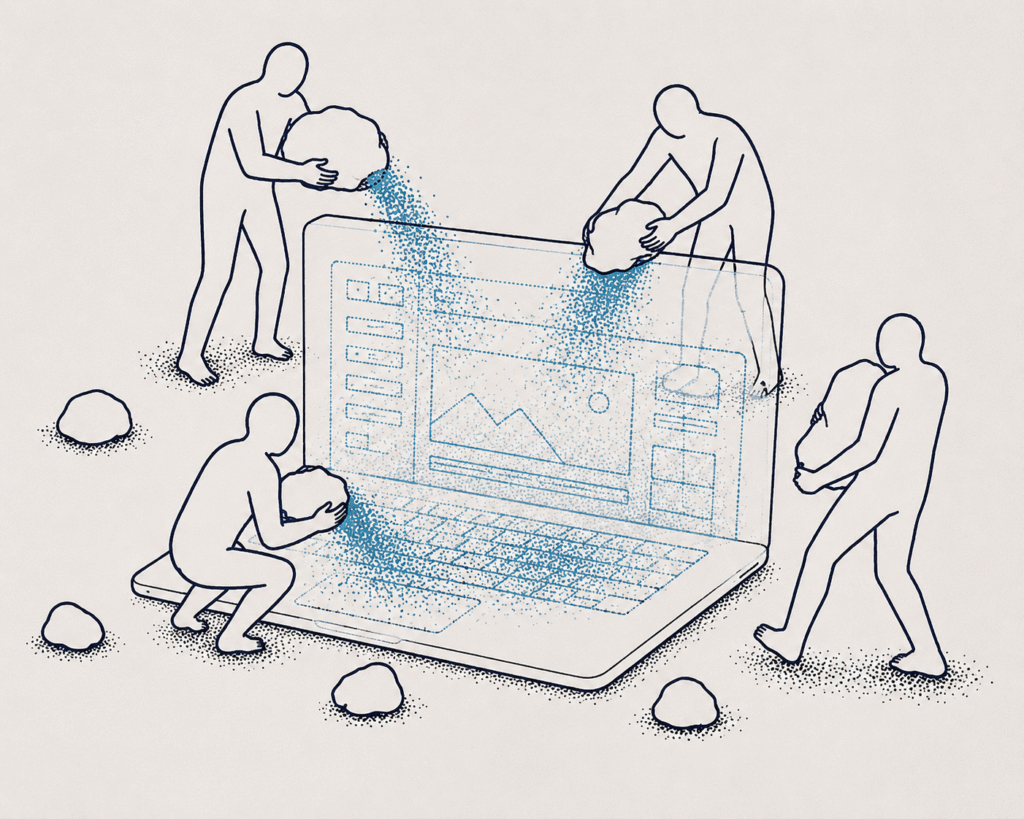
GEO (Generative Engine Optimization) is becoming an increasingly important complement to SEO (Search Engine Optimization) as people find information online. If you wanted to buy running shoes several years ago, for example, you’d most likely Google “best running shoes,” and Google would return results in a fairly predictable way. Predictable enough, in fact, that an entire ecosystem was built around that process, including bloggers, marketers, ad companies, ad sales teams, and especially SEO experts, who understood the keys to being discovered this way.
Alas, though, the game has changed with AI. Now you’re just as likely to ask ChatGPT, Claude, or DeepSeek something in natural language, like:
“I’m looking for running shoes. I’d like something under $100 with a lot of cushioning. I typically run 5–10 miles at a time, if that helps.”
WOW. How on earth can we predict what an LLM will find and return based on a question like that? Well, it turns out there are three main things worth knowing. The first is fairly obvious, but the other two get a little more interesting.
First—LLMs seem to operate in a way that means many of the traditional principles of SEO still matter. Trust, authority, reputation, quality content, and being cited by reputable sources all appear to increase the likelihood that your brand or content will surface in AI-generated answers.
Second—nobody outside the major AI companies really knows exactly how this works.
To be fair, Google never fully disclosed its ranking algorithms either. But Google did provide extensive guidance on SEO best practices and how website owners should think about search. By comparison, companies like OpenAI, Anthropic, and others have been far less transparent about how information is selected, weighted, and surfaced in AI-generated responses.
The implication here is simple: if someone tells you they are a GEO expert and can guarantee a specific outcome, they are very likely full of shit.
However…
Third—even though the AI companies aren’t sharing the secret sauce, plenty of smart people have been paying attention, and some interesting patterns are emerging.
One trend many observers have noticed is the outsized influence of community-driven platforms, particularly Reddit. For recommendation-style questions, product comparisons, purchasing advice, and everyday consumer topics, AI systems often appear to draw heavily from discussions happening in forums and online communities.
This makes a certain amount of sense. If someone asks, “What’s the best running shoe under $100?” an AI model may find value not only in a polished product page, but also in hundreds of real people discussing their experiences with different shoes.
So back to the primary question: how do you GEO-optimize a brand, product, or company?
Step one is still the boring stuff. Build a credible website. Create useful content. Earn mentions. Get reviewed. Be cited. Do the traditional SEO work.
But step two is where things get weird. Increasingly, brands are realizing that if AI systems pay attention to online discussions, then those discussions themselves become a marketing channel. Sometimes that looks perfectly legitimate: engaging with (or building) communities, encouraging customers to share experiences, participating in relevant conversations, and building genuine brand awareness.
Other times it looks considerably less dignified—fake reviews, burner accounts, manufactured discussions, coordinated “organic” recommendations. Astroturfing.
You want ChatGPT talking about your running shoes? Some marketers have figured out that influencing the conversations AI systems might later encounter can be just as valuable as influencing search rankings. Is it legal? Usually. Is it ethical? I’d say no. But it creates a strange incentive if you know it can work and everyone else is clearly doing it. Like fake Amazon reviews before it, it creates incentives that can erode trust in the system as a whole.
Whether that’s good for the internet is another question entirely.
My personal view is that GEO is real, but it’s also still early. The people claiming they have fully cracked the code are probably trying to sell you snake oil. The people pretending nothing has changed are sleepwalking into the future. What seems increasingly clear is this: brands can no longer rely solely on being found. They need to be talked about. And that’s probably the most interesting shift of all.